A few days ago, I watched The Lost Children, a moving Netflix documentary that tells the true story of four Colombian siblings who survived 40 harrowing days in the Amazon rainforest after a plane crash in May 2023. The crash claimed the lives of three other passengers, including their mother.
The children’s ordeal is almost unimaginable: losing their mother in such a traumatic way, navigating the unforgiving jungle with injuries, and caring for a baby not yet a year old. As if that weren’t enough, the documentary later reveals that the siblings had been living in an abusive household—circumstances that ultimately led to them being placed in a children’s home following their rescue.
At the time of the crash, they were just 13, 9, 4, and 11 months old. My first thought, with deep empathy, was that sometimes life demands far too much, far too soon. The space between one tragedy and the next can feel impossibly short.
Still, amidst the heartbreak, The Lost Children offers powerful reflections—lessons in endurance, faith, and resilience that are worth pausing to consider.
Allow me, for a moment, to reflect—maybe even preach a little.
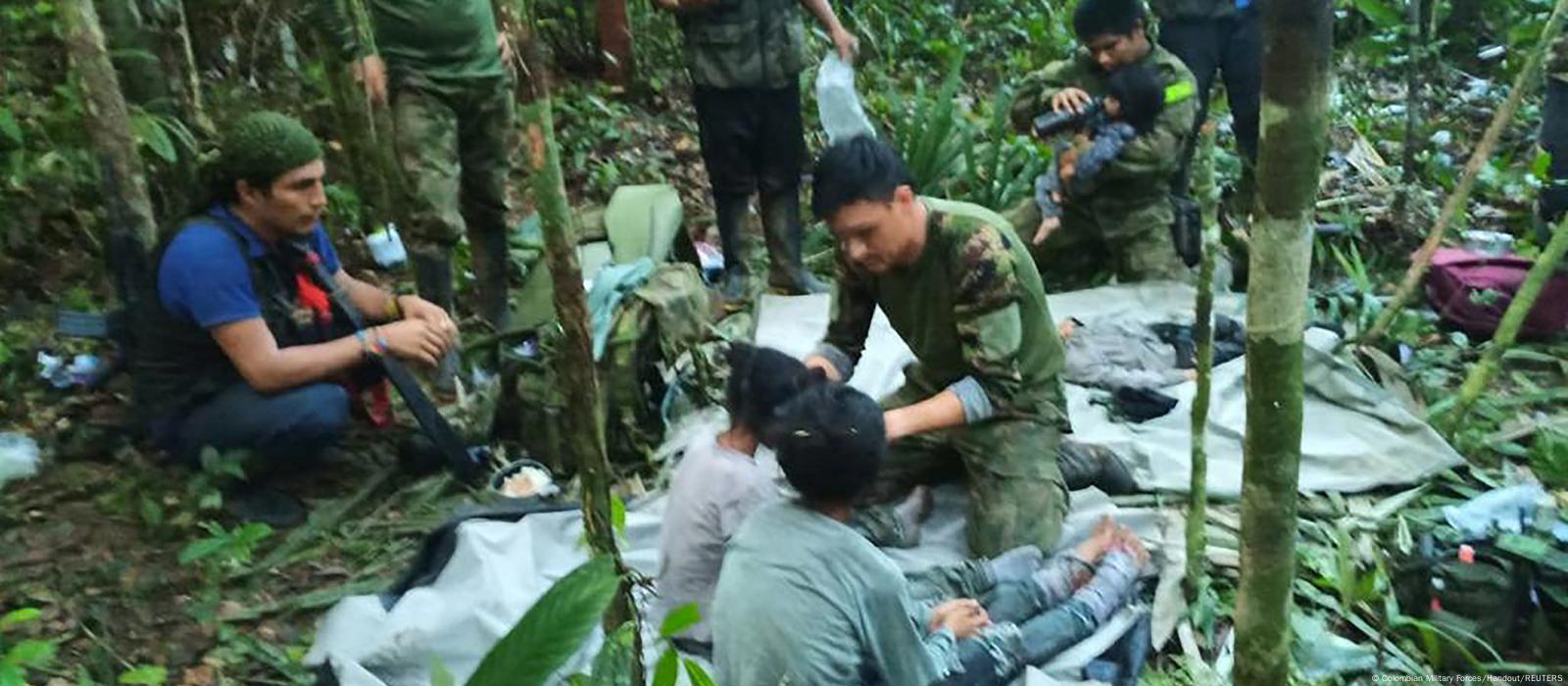
The children, with their rescuers, after being found 40 days following a plane accident that claimed the life of their mother. Photo: DW News
Just as the children chose to leave the wreckage and press forward into the unknown, we too are often called to move ahead in the face of uncertainty. For people of faith, this is what it means to trust in the unseen. For those who don’t share a religious belief, that same act of persistence can be seen as courage in its purest form.
The eldest child, just 13, spoke of a time during their ordeal when she feared no one would ever find them. The stress and despair were overwhelming. That feeling is familiar to many of us—the tension of waiting for a breakthrough, the ache of uncertainty before life begins to turn again.
Stories like theirs remind me that even in moments of despair, we are not alone. Countless others have felt this weight. In the Bible, even Jesus experienced anguish before His crucifixion. And as a popular song on Instagram recently put it: It can’t always be night. Darkness, no matter how deep, eventually lifts.
One moment in the documentary struck me deeply: the 13-year-old recalled stepping away from her siblings briefly—just to get a moment to herself. That small act felt so human. I often do the same in this season of my life. The difference now is that I’ve learned the value of communicating that need to friends and family, so they’re not left wondering or worrying.
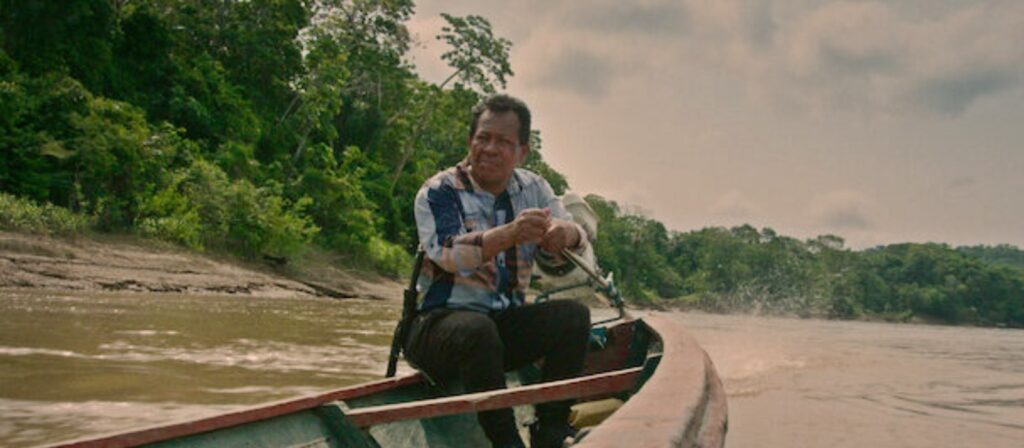
Henry, one of the indigenous volunteer rescuers. Photo: Netflix
Another moving theme in the film is the power of unity in the face of difference.
Henry, one of the Indigenous volunteers who helped search for the children, brought a smile to my face when he said he was proud to have made a difference, even at his age. He and his team eventually joined forces with the military—despite longstanding tensions between the two groups. One relied on traditional Indigenous knowledge, the other on Catholic faith. Yet together, they succeeded in something extraordinary. It was a clear reminder: collaboration across cultures, backgrounds, and beliefs can achieve remarkable things.
The documentary also includes supernatural elements—mystical moments that both moved and unsettled me. That, however, may be a reflection for another day.
Ultimately, The Lost Children is more than a survival story. It’s a testament to the strength of the human spirit, the importance of community, and the possibility of healing. One of the Indigenous volunteers spoke of this directly: sometimes, even through tragedy, healing can begin.
There is, as the saying goes, beauty from ashes—even if it comes shrouded in sorrow.
(Spoiler alert for dog lovers: This is one of those films where a dog dies.)